When you're trying to pick out the perfect office desk for your workspace, it's really important to think about both how functional it is and how ergonomic it feels. I came across a report from the International Ergonomics Association that says a well-designed workspace can boost your productivity by up to 20%. That’s pretty significant, especially nowadays since more folks are working remotely or doing hybrid setups. Because of that, it’s worth rethinking how our offices are laid out. As our workspace needs change, having the right desk isn’t just about having a nice surface to work on — it’s also about supporting your overall well-being.
Experts also stress how crucial it is to choose the right furniture. Dr. John Smith, an ergonomic specialist with Workspace Design Group, mentions, “Your office desk should not only look good and match your style but also help keep you healthy and productive.” This really points out how important it is to pay attention to things like the materials, size, and overall design — all of which contribute to creating a good work environment. At the end of the day, picking the right office desk can really influence how your space works for you, so it’s worth taking the time to think about what you need both professionally and personally.
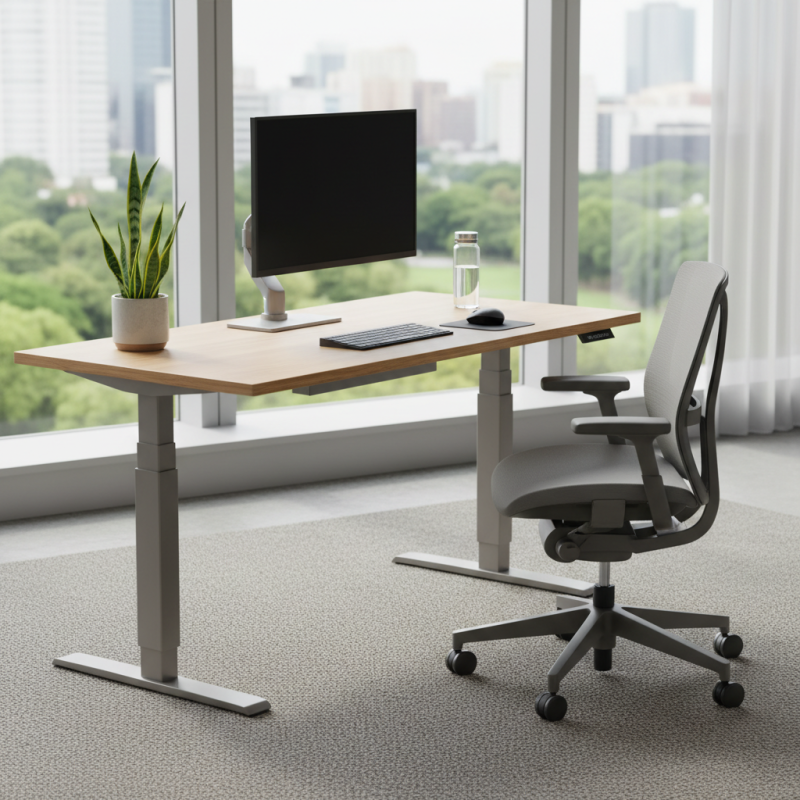
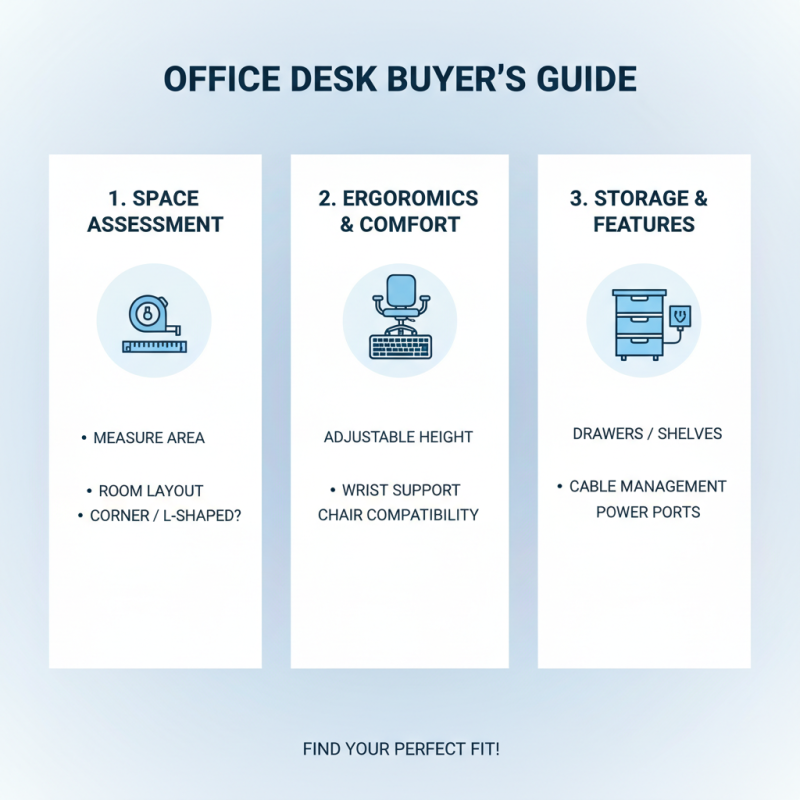
When selecting the best office desk for your workspace, understanding your specific requirements is essential. Start by assessing the available space in your office. Measure the dimensions of your area to determine the maximum size desk that can comfortably fit without overwhelming the room. Consider the layout of your workspace as well; a Corner Desk might be ideal for limited space, while an L-shaped desk could facilitate multitasking if you have room to spread out.
Next, think about how you work. Do you require a large surface for multiple monitors, or is a compact design better suited for your primarily document-based tasks? Ergonomics also plays a significant role in your decision-making. Choose a desk that allows for proper posture and comfort, taking into account height adjustments if necessary. Additionally, consider your storage needs – desks with built-in drawers or shelves can help keep your workspace organized and efficient, accommodating your workflow while minimizing clutter.
When selecting an office desk, understanding the various types available on the market is essential for meeting your workspace needs. According to a report by the Global Office Furniture Market, the demand forErgonomic Deskshas surged, driven by increasing awareness of health implications associated with prolonged sedentary work. Standing Desks, which allow users to alternate between sitting and standing, have gained significant traction, contributing to a25% growth in sales over the past year alone. This trend highlights the importance of choosing desks that not only support productivity but also enhance well-being.
In addition to ergonomic options, traditional desks remain a staple in many office environments. A survey by Workplace Insight indicates that L-shaped and U-shaped desksare favored for their spaciousness and functionality, accommodating dual-monitor setups and various office supplies. Adjustable Desks are becoming increasingly popular, with60% of employees reporting improved comfort and focus when using them. This reflects a broader shift towards customizable workspaces that cater to individual preferences and tasks. As you navigate the myriad of choices, consider your specific work habits and the features that will best support your productivity and health.
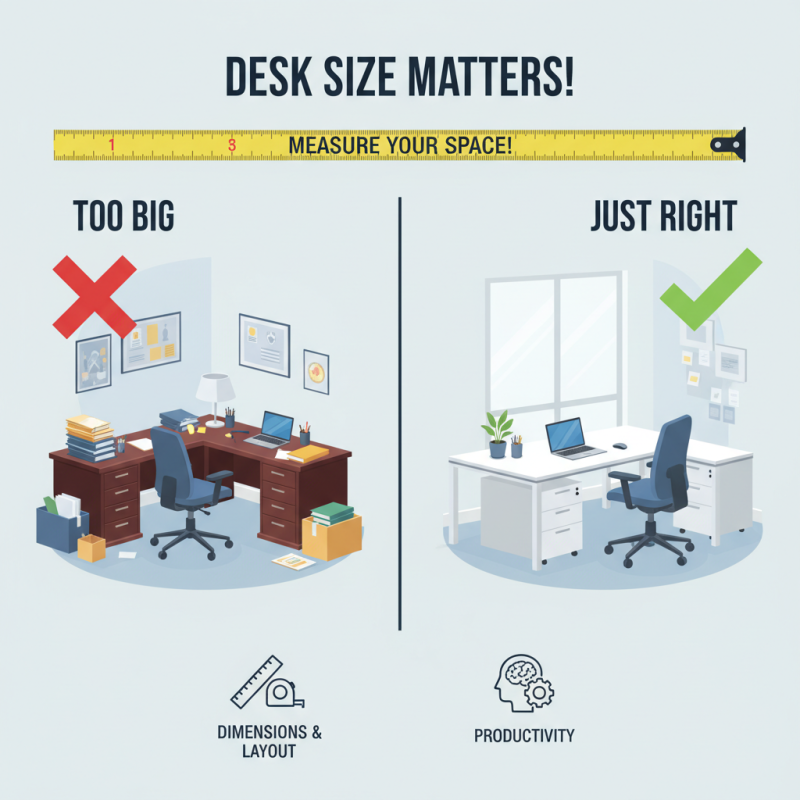
When selecting the best office desk for your workspace needs, it is crucial to identify key features that cater to both your functional and ergonomic requirements. First and foremost, the size of the desk should complement your workspace layout. Consider how much surface area you need for your computer, documents, and any additional equipment. A desk that is too large can overwhelm the space, while one that is too small may not provide adequate room for your tasks.
Next, think about the desk's adjustability. With an increasing number of individuals working remotely, sit-stand desks have gained popularity for their ergonomic benefits. Being able to change positions throughout the day can help reduce fatigue and improve productivity. Additionally, assess the desk's storage options, such as drawers or shelves, which can help keep your workspace organized and free of clutter. Finally, don’t overlook the desk’s material and design, as these factors can greatly influence both the aesthetic and functionality of your office environment.
When selecting an office desk, comfort and ergonomics should be at the forefront of your decision-making process. An ergonomic desk setup can significantly enhance productivity and reduce the risk of musculoskeletal disorders. Look for desks with adjustable height options, allowing you to switch between sitting and standing positions throughout the day. This adaptability can minimize fatigue and encourage better posture, contributing to a healthier work environment.
Additionally, consider the desk’s design and how it complements your body mechanics. A desk that provides ample legroom and allows for a relaxed arm position while typing is crucial. Pay attention to the surface area; a desk that accommodates your computer, documents, and other necessary tools without overcrowding can help maintain an organized workspace.
Remember, the right desk not only supports your physical well-being but also fosters a more efficient workflow, making the investment worthwhile for your overall work experience.
When selecting an office desk, one of the most critical factors to consider is the size of your workspace. A desk that is too large can overwhelm a small office, making the space feel cramped and uncomfortable. Conversely, a desk that is too small may not provide adequate space for your work essentials, hindering productivity. Therefore, measuring your available area before making a purchase is essential. Consider the dimensions of the room, including walkways and other furniture, to ensure your desk fits comfortably within your workspace.
Another important aspect to think about is the height and configuration of the desk. An ideal desk should allow you to work efficiently while maintaining good posture. If you have a designated area for sitting, ensure that the desk height aligns well with your chair to avoid strain. Additionally, if the workspace accommodates collaborative tasks, think about the arrangement of multiple desks and how they can be positioned for effective teamwork without crowding the area. Your selection should ultimately blend functionality with comfort, creating an environment conducive to productivity and well-being.
When it comes to choosing the best office desk for your workspace needs, budget plays a crucial role in your decision-making process. Understanding the price range of various desk options can help you make a choice that balances both functionality and affordability. For those on a tighter budget, there are many options available that still provide a quality workspace. For instance, you might consider desks made from engineered wood or metal, which often come at a lower price point without sacrificing durability.
Furthermore, it is essential to balance your needs with your available budget. Assessing the specific features you require—such as size, storage options, and ergonomic design—can help narrow down your choices. Desks that offer adjustable heights or built-in storage may have a higher initial cost, but they can enhance your comfort and productivity in the long run. Keep an eye out for sales or discounts as well, as many retailers offer seasonal promotions that can substantially reduce the price of office desks. By exploring different materials and designs, you can find a desk that fits both your workspace needs and your budget.
| Desk Type | Material | Price Range | Size (L x W x H) | Best For |
|---|---|---|---|---|
| Standing Desk | Engineered Wood | $250 - $700 | 60 x 30 x 48 in | Health-conscious Workers |
| L-Shaped Desk | Solid Wood | $300 - $900 | 66 x 66 x 30 in | Multi-taskers |
| Compact Desk | Metal & Glass | $100 - $400 | 48 x 24 x 30 in | Small Spaces |
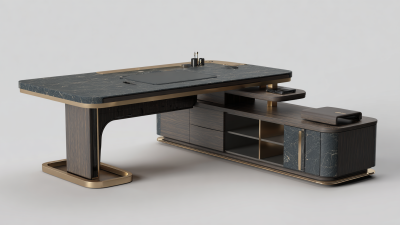
| Executive Desk | Mahogany Veneer | $700 - $2000 | 72 x 36 x 30 in | Professional Offices |
| Writing Desk | Pine | $150 - $500 | 50 x 28 x 30 in | Students & Creatives |
When it comes to creating the perfect workspace, personalizing your office desk is essential for both productivity and comfort. One of the most impactful ways to achieve this is through carefully chosen accessories. Items like ergonomic keyboard trays, monitor risers, and memory foam wrist supports can significantly enhance your working posture, reducing strain during long hours. Additionally, decorative elements such as plants, artwork, and desk organizers can infuse your space with personality, making your work environment not just functional but also visually appealing.
Storage solutions play a crucial role in maintaining an organized desk. Opt for multi-functional furniture like drawer units or shelving that blend style with practicality. Utilizing cable management systems can keep unsightly wires out of sight, contributing to a cleaner look. Consider personalized storage options, such as labeled bins or color-coded folders, to suit your workflow and ensure that everything has its place. By investing time in selecting the right accessories and storage solutions, you can create a workspace that caters to your unique needs, boosts your efficiency, and reflects your personal style.
: Measure the dimensions of your office area to determine the maximum size desk that can fit comfortably without overwhelming the room.
A corner desk is ideal for limited space, while an L-shaped desk is suitable if you need room to spread out for multitasking.
Consider whether you need a large surface for multiple monitors or a compact design for document-based tasks, as well as ergonomic features for comfort.
Ergonomics help ensure proper posture and comfort during work, which can reduce strain and enhance productivity, especially with adjustable height features.
Multi-functional furniture like drawer units and shelves, along with cable management systems, can help keep your desk organized and visually appealing.
Adding accessories like ergonomic keyboard trays, monitor risers, and decorative elements such as plants can make your workspace more comfortable and visually enjoyable.
Carefully chosen desk accessories can improve your working posture and reduce strain, ultimately boosting your efficiency during long hours.
Consider personalized storage solutions like labeled bins or color-coded folders, which can help ensure everything has its place and aligns with your specific workflow needs.
Using cable management systems can help reduce visual clutter and maintain a cleaner look, making your workspace more organized and less distracting.
Incorporating decorative elements such as artwork, plants, and stylish desk organizers can reflect your personal style and make your work environment more inviting.
Choosing the best office desk for your workspace needs involves a comprehensive assessment of various factors. First, it is essential to understand your specific workspace requirements, as different types of office desks offer unique features that cater to different tasks. Evaluating the key attributes such as storage options, workspace layout, and desk height will help in making an informed decision. Comfort and ergonomics play a crucial role in desk selection, ensuring that your workspace promotes productivity and well-being.
Additionally, considering the right size for your office desk space is vital to avoid clutter and optimize movement. Budgeting for an office desk can present various options, allowing you to find a suitable solution without overspending. Finally, personalizing your desk with accessories and effective storage solutions can enhance both functionality and aesthetics, creating an inspiring workspace. Overall, taking the time to evaluate these elements will lead to a desk that perfectly fits your professional needs.