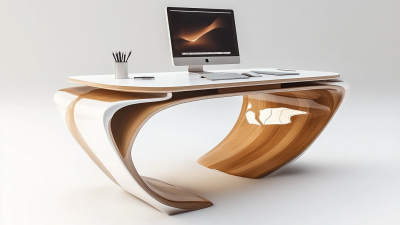
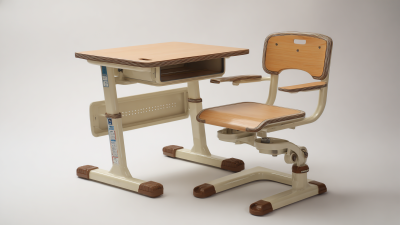
So, when you're on the hunt for a really good OEM study table for your office or company, there are a few things you definitely want to keep in mind. I recently came across the Global Office Furniture Market report, and it’s pretty clear that more and more businesses are looking for ergonomic and sturdy study tables — demand's actually growing at around 4% a year! It’s all about making sure employees feel comfortable and can work efficiently. A well-designedStudy Table Study Table isn’t just about looking good; it really boosts the workspace vibe and can even improve overall productivity.
You know, bad workspace setups can kill focus and lead to discomfort pretty quickly. That’s why investing in an ergonomic study table is so important — it encourages good posture and helps put less strain on the body, which is a big deal these days when everyone’s trying to keep up with a hectic pace. Sure, high-quality furniture might cost a bit more upfront, but honestly, the payoff is worth it: healthier employees and better performance. Just a heads-up though, not all OEM providers are created equal. You really want to check out their materials and craftsmanship before making a decision.
Take some time to figure out what your team really needs. And remember, it’s all about that sweet spot between how a table looks and how well it functions. You might spend a little more, but in the long run, it helps cut down health issues and gives a nice boost to productivity. As you go through the process, it’s smart to find trusted manufacturers who match your company’s vision and needs. Picking the right OEM study table isn’t just about furniture — it’s about creating a workspace culture that people actually enjoy being part of.
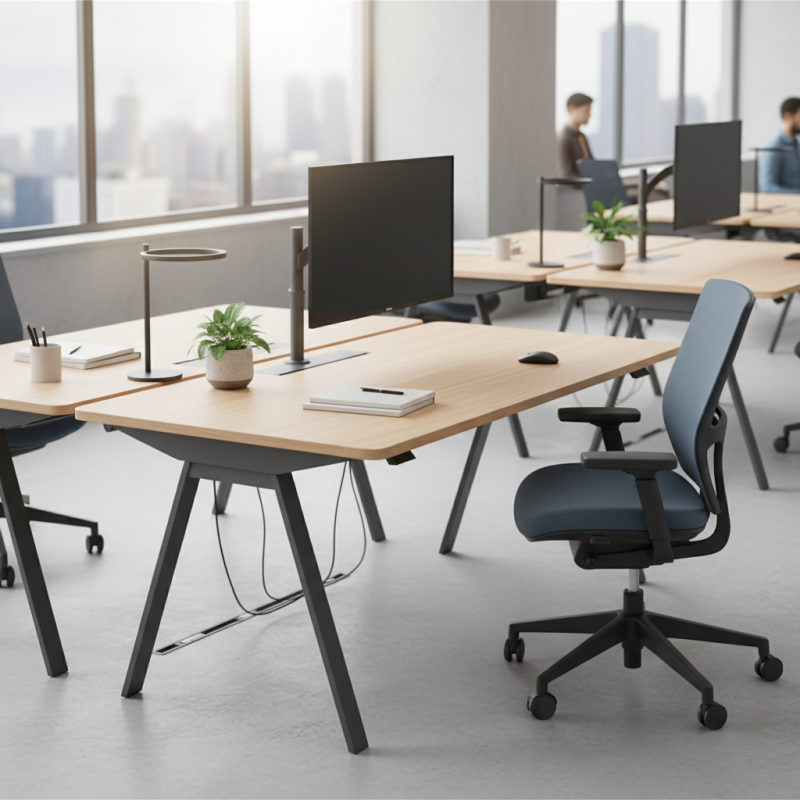
Understanding OEM Study Tables: Key Concepts and Definitions
When selecting an OEM study table for your company, it's crucial to understand some key concepts first. OEM, or Original Equipment Manufacturer, refers to companies that produce products based on the design specifications provided by another company. This means that the quality of the study table significantly depends on the manufacturing process and materials chosen.
According to industry reports, about 70% of businesses emphasize ergonomic design in their study table purchasing decisions. This is due to the direct correlation between a well-designed workspace and employee productivity. However, many firms overlook the importance of material durability, which can lead to premature wear. Choosing tables made from high-quality wood or metal can help mitigate this issue.
Tip: Always request samples. This allows for firsthand evaluation of the table’s build and finish. Additionally, review the manufacturing practices of potential OEM partners. Transparency in production methods often reflects quality assurance.
Another aspect to consider is customization options. Companies often want tables that cater to specific needs but may hesitate to invest in these tailored products. A study by Workspace Design found that custom solutions can lead to 30% higher satisfaction rates among users. Failure to explore customization can leave businesses with one-size-fits-all solutions, hindering functionality.
Tip: Engage your employees in selecting designs. Their input can help create a workspace that enhances focus and comfort. Remember, not every table will suit your needs. Taking the time to analyze options can pay off in the long term.
Identifying Your Company's Needs for a Study Table
Identifying your company's needs is crucial when selecting a high-quality OEM Study Desk . Every workplace has unique requirements based on its workflow. It's important to understand these demands from the outset. Consider the size of your team. A larger group may need more work surfaces. Conversely, a smaller space might benefit from modular desks that can be rearranged.
Think about functionality. Will the Study Desk be used for collaborative projects or individual tasks? Desks with built-in storage can help keep the workspace organized. On the other hand, a minimalist design might suit a creative environment better. Your company culture plays a significant role in this decision.
Does the desk offer comfort? Ergonomics should be a priority. An uncomfortable study desk can lead to health issues and reduced productivity.
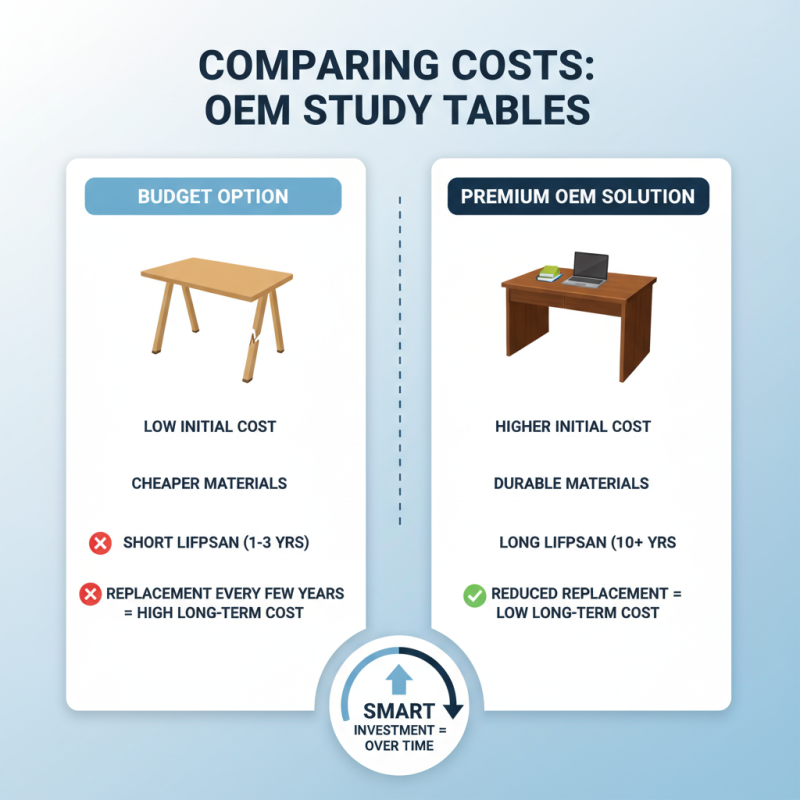
Evaluate your budget, but don't compromise on quality. Cheaper options may not provide the durability needed for daily use. Investing in a reliable study desk might save costs in the long run. Additionally, consider aesthetics. The design should reflect your company's values.
It’s easy to be swayed by trends, though. It’s essential to reflect on whether those choices align with your functional needs.
Evaluating Material Quality and Durability in OEM Tables
When selecting an OEM study table, evaluating material quality and durability is crucial. Different materials have varying impacts on performance and longevity. Wood is a popular choice; it provides stability and a classic look. But not all wood is created equal. Check for solid wood options rather than particle board. Particle board can warp over time.
Metal is another great option, known for its strength and sleek design. Aluminum and steel tables often last longer and can withstand heavy use. However, ensure that the metal is treated to prevent rust. Fabrics used on Study Chairs should also be durable. Avoid materials that can easily tear or fade.
Test the surfaces of the tables. Are they easy to clean? Smooth surfaces prevent wear. Look for finishes that resist scratches. Reflect on your needs too. Will the table support various Study Chair styles? Evaluating your specific requirements will enhance your workspace experience. Invest wisely; a durable study table is an asset.
How to Choose a High-Quality OEM Study Table for Your Company - Evaluating Material Quality and Durability in OEM Tables
| Material | Durability (Years) | Weight Capacity (kg) | Finish Type | Price Range (USD) |
| Solid Wood | 15 | 200 | Natural Finish | 300 - 600 |
| Plywood | 10 | 150 | Laminated | 150 - 400 |
| Metal | 20 | 300 | Powder-Coated | 200 - 500 |
| MDF | 8 | 100 | Glossy Finish | 100 - 300 |
| Composite | 12 | 180 | Matte Finish | 120 - 350 |
Assessing Design and Ergonomics for Optimal User Experience
When selecting a high-quality OEM study table, design and ergonomics play crucial roles in user experience. A well-designed study table promotes productivity and comfort. It's essential to consider height adjustments and surface area. A spacious tabletop allows for books, laptops, and other study materials. Look for materials that are easy to clean and maintain. Durable finishes can withstand the wear and tear of daily use.
Ergonomics should not be overlooked. An ergonomic design reduces strain on the body during long study sessions. Users may wish to pair the table with a suitable study chair. The right study chair, especially one designed for long use, enhances comfort. For example, a chair with lumbar support prevents back pain. Investing in quality helps ensure a better study environment.
It’s important to test different tables before purchase. Each person has unique needs based on their height and working style. Not everyone feels comfortable at the same height. Some may find a lower table more suitable. Collect feedback from users to refine choices. This thoughtful approach leads to better decision-making and fosters a productive workspace. Remember, the right study chair in NZ complements the table.
Analysis of Key Features in High-Quality OEM Study Tables
Comparing Costs: Budgeting for High-Quality OEM Solutions
When budgeting for high-quality OEM study tables, understanding costs is crucial. Various reports indicate that investing in durable materials usually increases the initial cost but provides long-term value. A well-crafted study table can last over ten years with proper care, significantly reducing replacement costs.
Consider the manufacturing location. Domestic products often come with higher costs than overseas options. However, domestic manufacturing can mean better quality control and faster shipping. Research shows that companies prioritizing quality over low price see an average increase in employee productivity by 15%.
Tip: Clearly define your budget limits early. This helps focus your search and avoids overspending. Also, explore bulk purchasing options. Many manufacturers offer discounts for larger orders.
Keep in mind that aesthetic design can impact cost. Customization tends to raise prices, but it can also enhance brand identity. Remember to request samples before finalizing your selection. This small step can save future headaches.
Tip: Look for reviews and case studies. They provide insights that raw specifications may not cover. Quality control processes vary by manufacturer, so understanding their methods can guide your decision. This reflection can lead to a more thoughtful purchase.
Checking Supplier Reputation and Manufacturing Standards
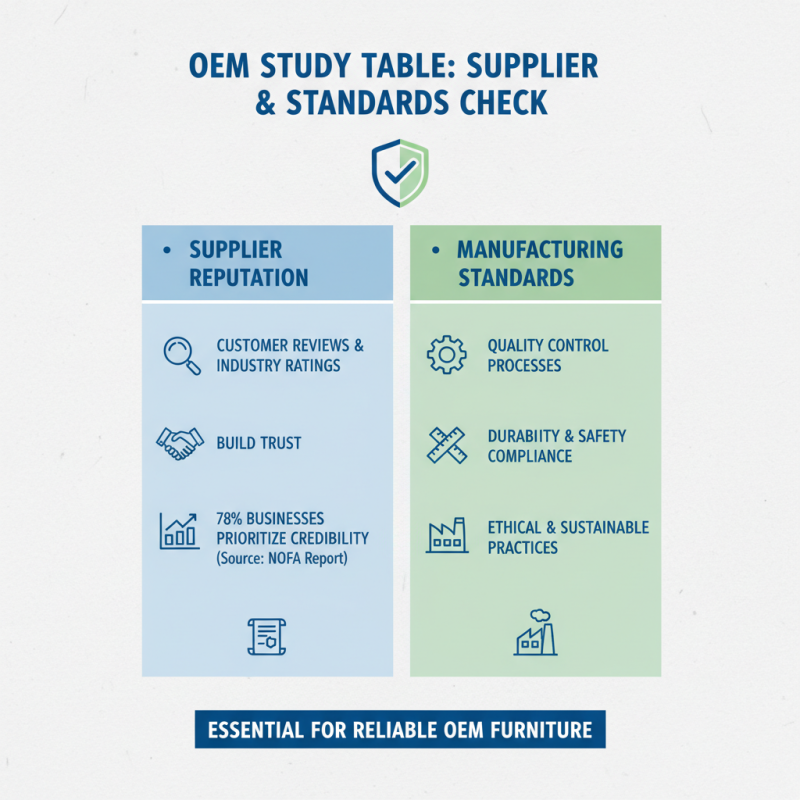
When selecting an OEM study table, assessing supplier reputation and manufacturing standards is crucial. A supplier’s reputation can reveal past performance. Research customer reviews and industry ratings to gauge trust. A report from the National Office Furniture Association shows that 78% of businesses prioritize supplier credibility before purchasing.
Understanding manufacturing standards is essential. Many manufacturers meet international quality standards, but not all. Look for suppliers who comply with ISO certifications. These standards ensure consistency and safety in the production of Study Furniture. A high-quality table should also use sustainable materials, as defined by the Sustainable Furniture Council.
Tips: Always request samples before placing a bulk order. This allows you to assess the quality firsthand. Additionally, consider visiting the supplier’s facility if possible. Transparency in operations is a good sign of reliability. Remember, investing in quality Study Furniture pays off long-term, enhancing employee productivity and comfort. Regularly review your supplier’s performance to ensure they meet evolving standards and expectations.
Understanding Warranty and After-Sales Support Options
When selecting a high-quality OEM study table for your company, warranty and after-sales support are critical aspects. A recent industry report shows that 70% of businesses believe warranty reliability impacts their purchasing decisions. This statistic highlights the importance of understanding the terms before committing.
Tips: Always read the warranty details. Look for clear information regarding coverage duration and the types of damages included. A solid warranty can protect your investment and provide peace of mind.
After-sales support is equally vital. Studies have shown that 65% of customers value responsive customer service over lower costs. This means prompt assistance can enhance your overall experience. Ensure the manufacturer has a dedicated support team. Check if they offer installation guidance or troubleshooting resources.
If you’re unclear about the warranty or support, ask questions directly. It’s better to be informed than to face unexpected issues later. Remember, a well-supported purchase could save you time and hassle in the long run.
The Ultimate BYD Series: Elevate Your Workspace with the Perfect Meeting Desk and Tea Table Combination
In today's fast-paced work environment, creating an efficient and aesthetically pleasing workspace is crucial for productivity and collaboration. The right combination of meeting desks and tea tables can significantly enhance the atmosphere of any office. Recent industry reports indicate that proper workspace design can improve employee engagement by as much as 20%, highlighting the importance of choosing the right furniture that not only meets functional needs but also fosters creativity and communication.
When selecting the ideal meeting desk, considerations such as size and comfort are paramount. Options like the AAM-C0224, measuring 2400*1100*750mm, or the AAM-C0220 at 2000*900*750mm, provide ample space for group discussions while accommodating multiple users. For smaller spaces, the AAM-C0218, with dimensions of 1800*800*750mm, still maintains a professional look without sacrificing functionality. These dimensions align with contemporary designs that professionals are increasingly favoring for collaborative settings.
Complementing these desks with the right tea table can further enhance the workspace's functionality. The AAM-F0216, with its dimensions of 1600*700*680mm, serves as an excellent option for break areas, promoting informal gatherings and discussions that can stimulate innovative ideas. According to workspace studies, environments that encourage casual interactions can lead to a 30% increase in idea generation among teams. Thus, integrating the ideal desk and tea table combination not only elevates the Workspace Aesthetically but also contributes to a more engaged and creative workforce.
FAQS
: Check if it is made from solid wood or sturdy metal. Solid wood lasts longer than particle board.
Smooth surfaces are easier to clean. Look for finishes that resist scratches and wear over time.
It helps avoid overspending. Durable materials may cost more initially but save money in the long run.
Reflect on your specific needs. Make sure the design accommodates various chair styles for better comfort.
Domestic products might be pricier, but they often ensure better quality control and faster shipping.
Yes, customization can enhance brand identity but may increase costs. Weigh the benefits carefully.
Many manufacturers offer discounts for larger orders, making it a smarter budget choice.
Request samples. This step can reveal quality issues that specifications alone may not show.
Reviews provide insights beyond technical details. They can uncover quality control differences across manufacturers.
Consider how the table will enhance your workspace experience and support your studying needs.
Conclusion
When choosing a high-quality OEM study table for your company, it's essential to understand the key concepts and definitions related to OEM study tables. Start by identifying your specific needs—consider factors such as the intended use, available space, and user demographics. Evaluating material quality and durability is crucial, as these elements impact the longevity and performance of the study table. Additionally, assessing design and ergonomics can enhance the user experience, fostering a comfortable working environment.
Budgeting is another critical aspect, as comparing costs will help you find a balance between quality and price. Furthermore, it’s important to check the reputation of suppliers and their manufacturing standards to ensure reliability. Finally, understanding warranty and after-sales support options can provide peace of mind regarding your investment in a study table study table. By following these guidelines, you can make a well-informed decision that meets both your company's needs and budget.