When you're trying to make the most out of a small bedroom, choosing the right furniture is a total game-changer. Honestly, picking the right pieces can really make a huge difference. Let's be real—bulky furniture in tiny rooms just makes everything feel even more cramped. So, being a bit smarter about your selections is the way to go. Stores like IKEA and West Elm have some pretty cool versatile options that are perfect for small spaces.
One trick? Go for multi-purpose furniture. Stuff like a bed with built-in storage or a foldable desk can really open up the room. But hey, you gotta think it through — not every piece of furniture will match your style or needs. Sometimes, keeping it simple with just a nice, basic bed frame might be way better than going all out with fancy furniture.
And don’t forget about color and layout! Light shades can make your tiny space look way bigger, but adding a bold pop of color can really make things stand out in a cool way. The key is to think about how you actually live in your space — that’ll help you make smarter choices. In the end, the right furniture isn’t just about looking good; it’s about making your small space comfy and stylish at the same time.
Understanding the Challenges of Small Bedroom Spaces
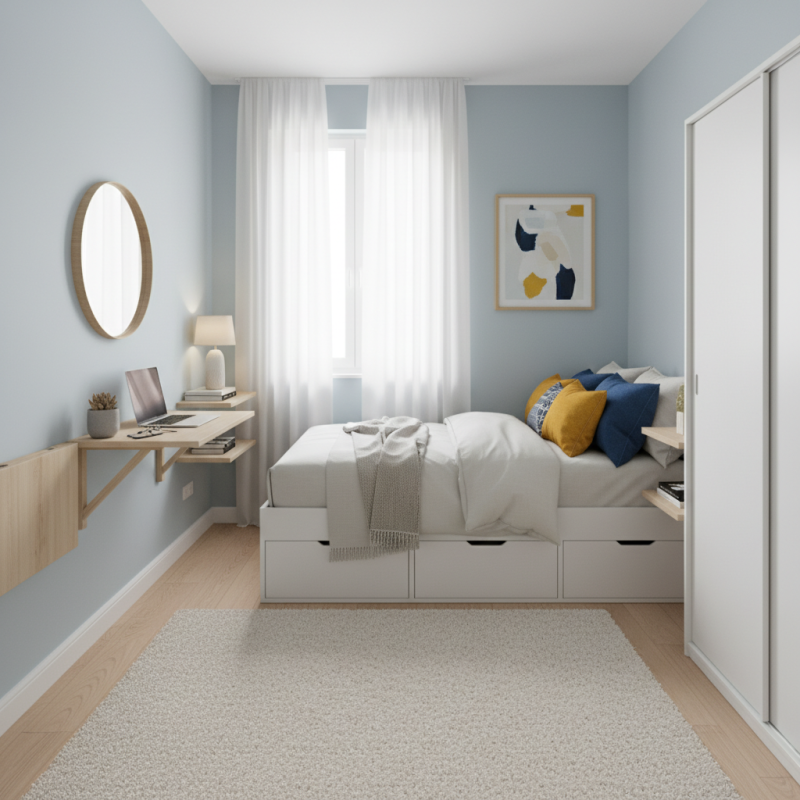
Small bedrooms present unique challenges that require creative solutions. The limited space often makes it difficult to fit essential furniture, while still ensuring functionality. Wall-mounted shelves can be an excellent way to store books and display decor without occupying floor space. Multipurpose furniture is another smart consideration. A bed with built-in storage can free up valuable space while providing a neat frame.
When selecting furniture for a small bedroom, consider the scale and design. No bulky pieces that overwhelm the room. Try lighter colors or mirrors to create an illusion of depth. Even small details matter; choose compact lamps that provide light without taking up too much surface area. Do not shy away from experimenting with unconventional arrangements. Sometimes, a bed placed diagonally can create visual interest and enhance space perception.
Reflect on your needs as well. What items do you truly use? It might be worth reevaluating the necessity of a large dresser or nightstand. Minimalism can often lead to a more organized, serene environment. Finding the right balance between style and practicality is an ongoing journey. Not every choice will be perfect, and that’s okay. Embrace the imperfections; they often lead to the most creative solutions.
What is the Best Bedroom Furniture for Small Spaces?
| Furniture Type | Dimensions (L x W x H) | Storage Options | Style |
| Loft Bed | 80 x 40 x 60 in | Desk, Shelves underneath | Modern |
| Murphy Bed | 60 x 80 x 12 in (folded) | Cabinet storage | Contemporary |
| Storage Bed | 76 x 60 x 16 in | Drawers in base | Transitional |
| Bedside Table with Drawers | 20 x 20 x 24 in | 2 drawers | Rustic |
| Wall-mounted Shelves | Varies (commonly 24 x 10 in) | Open storage | Minimalist |
Key Factors to Consider When Choosing Bedroom Furniture
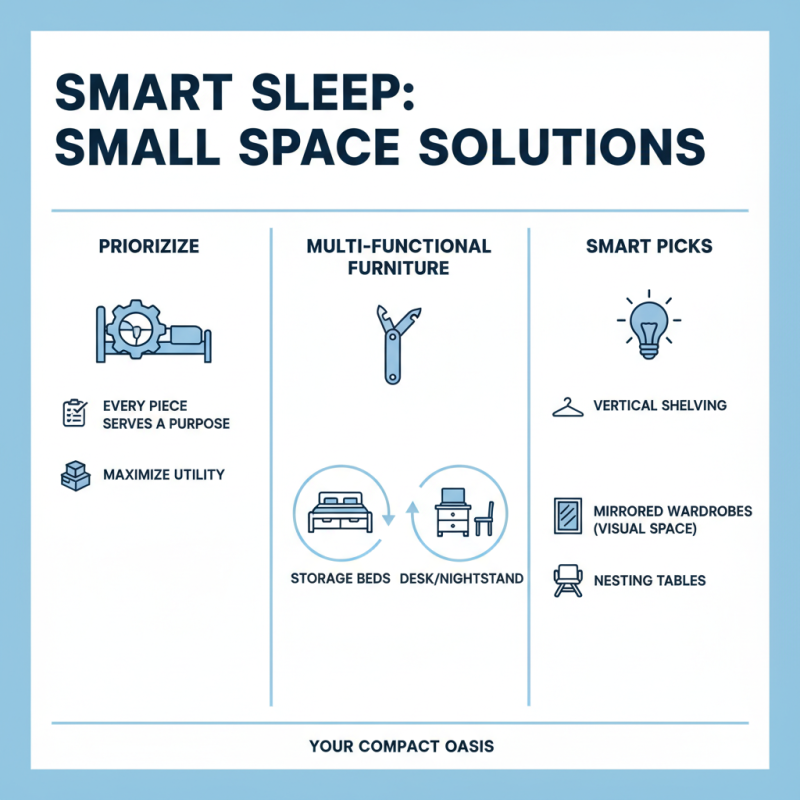
Choosing the right bedroom furniture for small spaces can be challenging. One must prioritize functionality. Every piece should serve a purpose. Multi-functional furniture is key. Consider a bed with built-in storage or a nightstand that doubles as a workspace.
Measure your space carefully. Clutter can make a small room feel even smaller. Opting for lighter colors can create an illusion of more space. Mirrors also help reflect light and make the area seem larger. Be mindful of the layout. Sometimes, the traditional arrangement doesn’t fit well.
Simplicity is vital. Too much decoration can overwhelm a small room. Choose minimalistic designs. Select items that complement your style but do not crowd the space. Remember, less is often more. Reflect on what you really need versus want. Prioritize comfort over quantity.
Types of Space-Saving Furniture for Small Bedrooms
When it comes to small bedrooms, choosing space-saving furniture is crucial. For instance, a loft bed can free up floor space by elevating the sleeping area. According to industry reports, utilizing vertical space can add up to 20% additional floor area in tiny rooms. Multifunctional pieces like storage ottomans or bed frames with drawers are also smart choices. They reduce clutter while giving you options for storage.
Tips: Consider using mirrors to create an illusion of more space. Mirrors can enhance natural light and make the room feel larger than it is. Incorporating a fold-down desk can also save space. It allows you to work without a permanent installation, making the room adaptable.
Folding and expandable furniture isn't just practical; it also provides flexibility. For example, a drop-leaf table can serve as a bedside table by day and a dining table by night. According to studies, 65% of people in small homes prefer adaptable furniture to maximize their comfort. However, it’s important to balance functionality with aesthetics, as a cluttered look can feel cramped. Choose pieces that resonate with your style, but also prioritize essential functions.
Multi-Functional Furniture: Maximizing Utility and Space
In small spaces, multi-functional furniture can be a game changer. A bed that doubles as a sofa is a smart choice. It allows for flexibility in how you use your room. Imagine inviting friends over and transforming your bed into a cozy seating area. This can make the space feel larger and more livable.
Consider a coffee table that can transform into a dining table. This idea brings practicality without sacrificing style. You can enjoy meals at home without cluttering the floor with a large dining setup. A wall-mounted desk can save floor space. When not in use, it can fold away, creating a sense of openness.
However, finding the right pieces can be challenging. Not all foldable furniture is sturdy. Some items might look great but lack practicality. It’s essential to ensure that whatever you choose meets both your style and functional needs. Reflecting on your needs is crucial; it helps avoid making impulse purchases that don’t fit the space. Every piece should serve a purpose, enhancing comfort while maximizing utility.
Best Multi-Functional Bedroom Furniture for Small Spaces
Storage Solutions: Smart Ways to Organize Your Bedroom
When it comes to organizing bedrooms in small spaces, creative storage solutions are essential. Consider utilizing vertical space. Wall-mounted shelves can hold books and decorative items, keeping surfaces free. A pegboard on the wall can store accessories or hang decorative pieces. These options add character while maximizing functionality.
Under-bed storage is another valuable idea. Use bins or drawers to keep seasonal clothes or shoes out of sight. This area is often overlooked but can be a treasure trove of extra space. Multi-functional furniture can also play a critical role. A bench with storage can serve as seating and a place to stash blankets.
Reflecting on your space can also lead to better organization. Sometimes, it means letting go of items you don’t use. This can be difficult, but it opens up room for what truly matters. Tidying up can transform a cluttered space into a peaceful retreat. Remember, a fresh approach can spark inspiration!
Choosing the Right Color and Design for Small Spaces
When designing a small bedroom, color and design play pivotal roles. Light colors can make a space feel larger. Soft whites, pale blues, and light grays create a serene atmosphere. Dark colors may be bold, but they often shrink the perception of space. Balance is key. Consider how colors interact with light throughout different times of the day.
Tips: Use mirrors to reflect light. This simple trick can give an illusion of depth. Choose furniture with legs instead of bulky pieces. It allows the floor to appear more open. Opt for multifunctional designs like a bed with drawers beneath, which can declutter your space.
Patterns can add personality but should be used wisely. Large patterns can overwhelm small areas. Instead, use them sparingly, perhaps on a single accent wall or a throw pillow. A cohesive look is essential. Mixing too many styles can create chaos. But a few well-chosen pieces can elevate your design.
Tip: Don’t be afraid to be bold with a single statement piece. A unique lamp or a colorful chair can be a focal point. However, reflect on how all elements work together. Sometimes less really is more.
Tips for Arranging Furniture in a Small Bedroom Layout
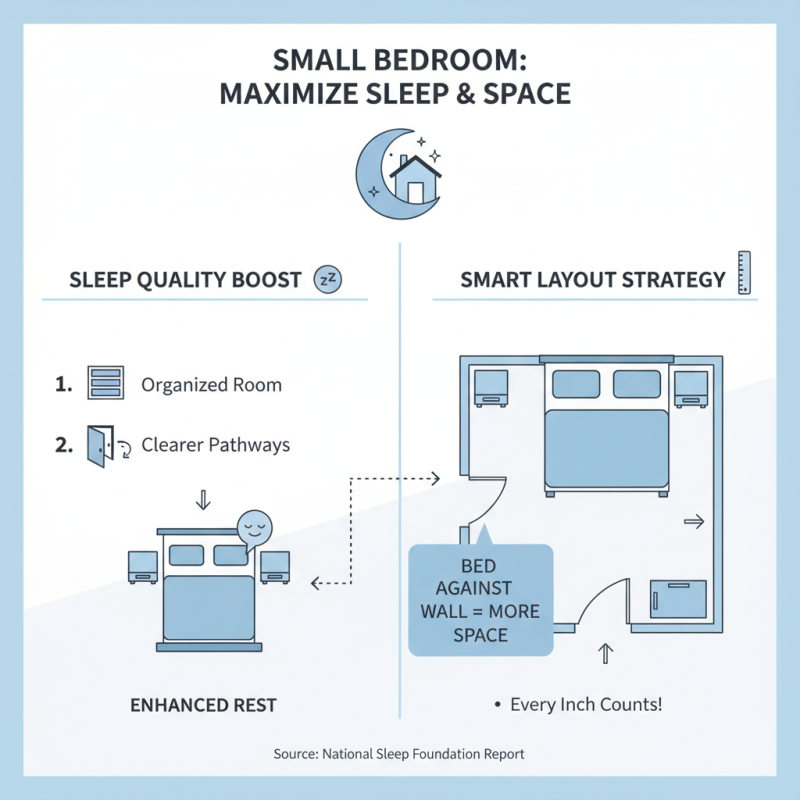
Arranging furniture in a small bedroom can be a challenge. According to a recent report by the National Sleep Foundation, a well-organized bedroom can enhance sleep quality. The layout is crucial. Placing the bed against a wall can create more space. This allows for clearer pathways. In small rooms, every inch matters.
Consider multifunctional furniture. A bed with storage underneath can save valuable space. A small side table can double as a workspace. According to the American Home Furnishings Alliance, 70% of people find dual-purpose furniture significant. It can minimize clutter and improve functionality. You might also reflect on how your room feels. Is it cramped, or do you feel at ease?
Be mindful of colors too. Lighter colors can make a room feel bigger. Dark colors can create a cozy atmosphere but may also crowd the space. Some may prefer minimalist designs, while others enjoy bold decorations. It's about finding what works for you. Balancing aesthetics with functionality can be hard. Experiment with layouts and designs until you find the perfect blend.
Enhancing Workplace Productivity: Insights from the Latest Reports on Office Furniture Trends and the 011 Series Model
In today's fast-paced work environment, enhancing productivity is paramount. One of the most effective ways to achieve this is by investing in modern Office Furniture that promotes comfort, organization, and collaboration. The latest reports on office furniture trends emphasize the importance of creating a workspace that not only looks aesthetically pleasing but also supports the functional needs of employees.
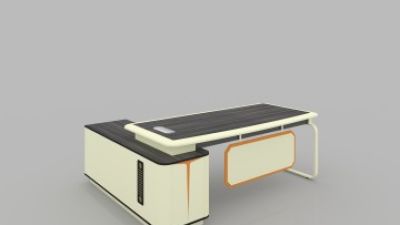
The 011 Series Model stands out in this context, merging style with practicality. This contemporary line of furniture, which includes desks, cabinets, and meeting tables, is designed to cater to various work styles. Made from durable melamine and wood with metal legs and accessories, the 011 Series not only promises longevity but also adds a sleek touch to any office setting. By providing an organized and supportive work environment, these furniture pieces can significantly contribute to enhancing workplace productivity.
Incorporating the 010 series modern office furniture into your workspace can further complement the benefits of the 011 series. The combination of various functional elements allows for seamless transitions between tasks, fostering a more dynamic and efficient work atmosphere. As organizations continue to adapt to the evolving demands of office spaces, embracing these furniture trends can make a notable difference in employee satisfaction and performance.
FAQS
: A balanced diet includes various foods. It provides necessary nutrients. Fruits, vegetables, proteins, and grains are essential.
Aim for about eight cups of water. Adjust based on activity levels. Listen to your body’s thirst cues.
Regular exercise boosts your mood. It improves overall health. It also helps manage weight and reduces stress.
Create a calming bedtime routine. Limit screen time before bed. A comfortable environment is crucial for restful sleep.
Stress can lead to anxiety. It may cause physical symptoms like headaches. Learning stress management is important.
Yes, mental health is connected to physical health. Poor mental health can lead to physical issues. It’s vital to seek help.
Set small, achievable goals. Celebrate your progress. Surround yourself with supportive people to stay motivated.
Take a break to breathe deeply. Consider talking to a friend. Reflect on what's causing the overwhelm.
No, self-care is essential. It enables you to care for others better. Prioritize your well-being to help those around you.
Conclusion
When dealing with small bedroom spaces, selecting the right bedroom furniture is crucial to enhance functionality and comfort. Understanding the unique challenges of compact areas is the first step, as it sets the stage for making informed decisions. Key factors to consider include the size, shape, and opening of the furniture, ensuring that it fits seamlessly into the available space without feeling cramped.
Space-saving furniture options, such as foldable beds or wall-mounted shelves, can significantly maximize utility. Additionally, multi-functional pieces, like ottomans with hidden storage or beds with drawers, offer greater organization. Choosing the right colors and designs can create an illusion of a larger room, while strategic arrangements of furniture facilitate movement and accessibility. Thoughtful planning and smart storage solutions can transform a small bedroom into a stylish and efficient retreat, demonstrating that limited space doesn't have to compromise on style or practicality.