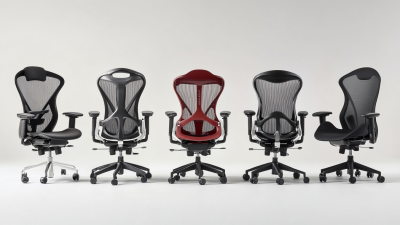
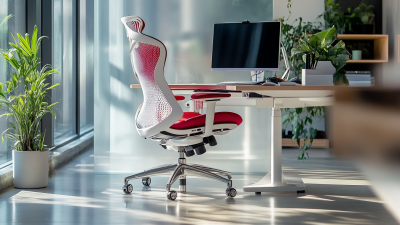
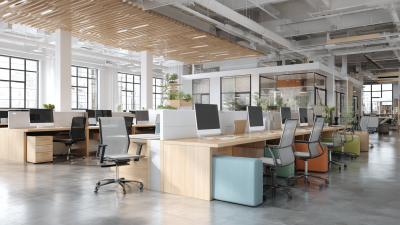
Hey, let’s be honest — in today’s super busy work world, comfort and staying healthy are more important than ever, especially when it comes to your desk setup. An ergonomic office chair isn't just a fancy add-on; it’s designed to support your body’s natural posture, making it pretty much a must-have in any workspace. Since most of us spend hours sitting at our desks, the kind of chair you choose can totally influence your overall well-being, how productive you feel, and how comfortable you are throughout the day.
So, in this quick rundown, I’ll walk you through the top 10 benefits of going for an ergonomic office chair. We’ll chat about how it can boost not just your physical health but also your mental focus during those long work sessions. From helping to prevent back and neck issues to improving circulation and keeping you sharp, investing in a good Ergonomic Chair really pays off. As we get into these benefits, you’ll see how a well-designed chair can actually make your work experience happier, healthier, and way more productive — no matter what industry you’re in.
The use of ergonomic Office Chairs has garnered significant attention due to their profound health impacts. These chairs are meticulously designed to support the natural curvature of the spine, promoting proper posture during extended periods of sitting. This ergonomic design aids in reducing the strain on the back and neck, which often results from traditional office chairs that lack adequate lumbar support. By maintaining an aligned posture, users can experience decreased discomfort and a lower risk of developing chronic issues such as lower back pain or neck stiffness.
In addition to alleviating physical discomfort, ergonomic office chairs contribute positively to overall workplace productivity. When individuals are comfortable and pain-free, they can concentrate better on tasks, leading to improved efficiency and focus. Furthermore, these chairs often come equipped with adjustable features, allowing users to customize their seating position according to their specific needs. This personalization not only enhances comfort but also encourages healthier habits, such as taking regular breaks to stretch and adjust posture, which can further mitigate health risks associated with prolonged sitting. Overall, the health benefits of ergonomic office chairs extend beyond mere comfort, fostering a more conducive and productive work environment.
Ergonomic office chairs are designed to provide optimal support for the human body, which is essential for reducing musculoskeletal disorders (MSDs). With many professionals spending long hours seated at desks, the risk of developing issues such as back pain, neck strain, and repetitive stress injuries increases significantly. An ergonomic chair helps promote a healthy sitting posture by aligning the spine, supporting the lower back, and allowing for adjustments that cater to individual body shapes. This thoughtful design minimizes strain on muscles and joints, which can lead to chronic pain conditions if neglected.
To maximize the benefits of an ergonomic chair, it’s essential to adjust the chair according to your body’s needs. **Tip 1:** Ensure that the chair height allows your feet to rest flat on the ground while keeping your knees at a right angle. **Tip 2:** Take advantage of adjustable lumbar support to maintain the natural curve of your lower back. This can greatly alleviate pressure during long sitting periods. **Tip 3:** Incorporate regular movement into your routine by standing up or stretching every hour to keep your muscles engaged and relieve tension.
Investing in an ergonomic seating solution not only enhances comfort but also contributes significantly to long-term health. By reducing the likelihood of MSDs, these chairs empower individuals to work more efficiently and improve their overall well-being, leading to a more productive work environment. Properly fitted ergonomic chairs play a crucial role in fostering a healthier workspace and ensuring that employees remain at their best, both physically and mentally.
In today’s fast-paced working environment, comfort plays a crucial role in enhancing productivity. Studies have shown that comfortable seating, particularly ergonomic office chairs, can lead to significant improvements in workplace performance. According to a report by the Occupational Safety and Health Administration (OSHA), workers who use ergonomic equipment experience a 27% increase in productivity and a notable decrease in reporting work-related discomfort. This highlights the importance of a well-designed chair that supports proper posture and reduces strain during long working hours.
Furthermore, a 2021 survey conducted by the Center for Health and Safety Culture reveaLED that employees who reported high levels of comfort in their workspaces were 1.5 times more likely to feel motivated and engaged in their tasks. Comfortable seating options that promote good alignment not only help prevent injuries but also boost mental well-being. This is crucial in a culture where remote and hybrid work models are becoming more prevalent, making it essential for individuals to invest in their home office setups as well. By prioritizing comfort through ergonomic chairs, companies can foster a more productive and healthier workforce.
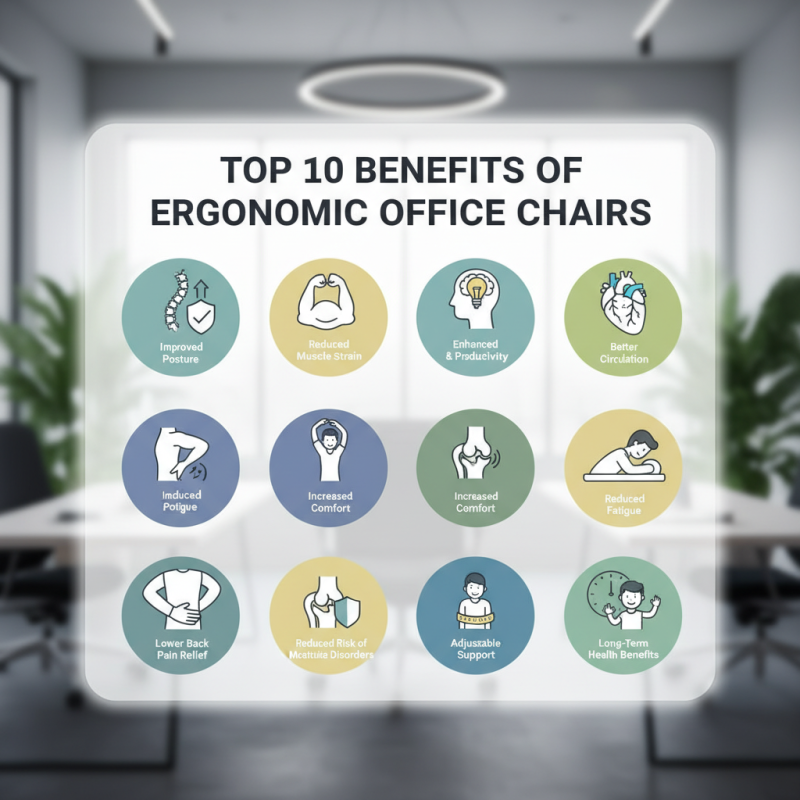
The chart above illustrates the top 10 benefits of using an ergonomic office chair, with each benefit rated on a scale of 1 to 10 based on its importance for health and comfort in the workplace. The results indicate significant advantages that ergonomic chairs provide in enhancing productivity and overall workplace performance.
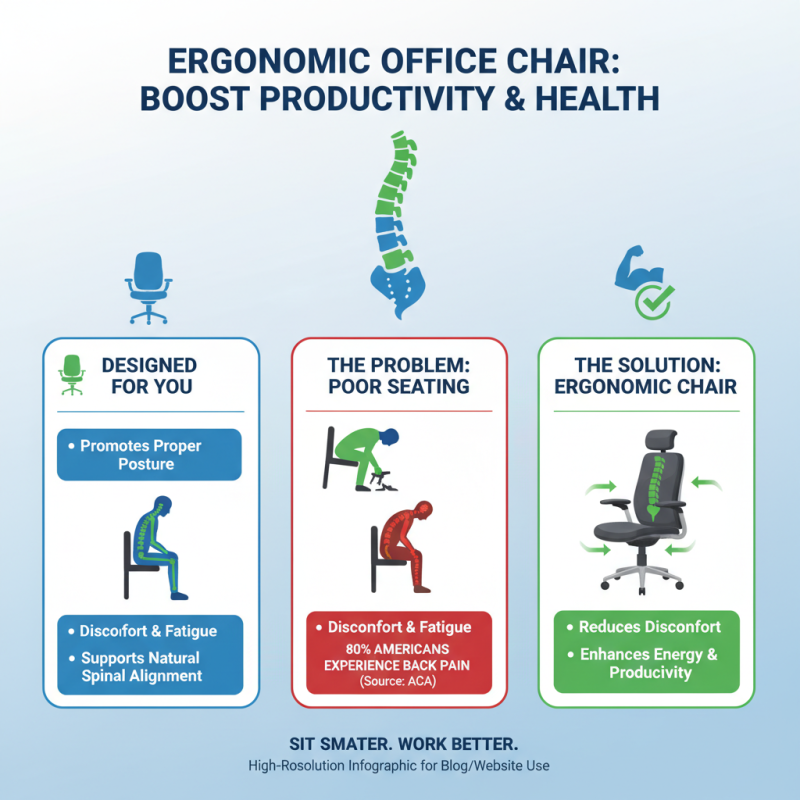
Ergonomic office chairs are designed to support proper posture, which can significantly contribute to spine health. According to a report by the American Chiropractic Association, about 80% of Americans will experience back pain at some point in their lives, often linked to prolonged sitting and poor posture. Ergonomic chairs, with their adjustable features, allow users to maintain a neutral spine position, reducing pressure on the intervertebral discs and minimizing strain on the lumbar region. Research suggests that optimizing seat depth, height, and backrest angle can lead to better spinal alignment, ultimately preventing the onset of chronic pain associated with misalignment.
Moreover, a study published in the Journal of Occupational Health Psychology found that employees who used ergonomic seating reported a 37% decrease in discomfort and pain related to their workplace conditions. By encouraging users to sit back in their chairs and utilize lumbar support, these chairs help maintain the natural curve of the spine. This is particularly crucial for individuals working long hours, as a well-designed chair can act as a proactive measure against fatigue and musculoskeletal disorders. Investing in an ergonomic office chair not only enhances comfort but also plays a pivotal role in safeguarding long-term spinal health and overall well-being.
An ergonomic office chair is designed with the human body in mind, promoting a proper posture and supporting natural spinal alignment. Research shows that prolonged sitting in non-ergonomic chairs can lead to discomfort and fatigue, ultimately impacting productivity. According to a report by the American Chiropractic Association, approximately 80% of Americans will experience back pain at some point in their lives, largely attributed to poor seating options in workplaces. An ergonomic chair can significantly reduce discomfort, which in turn enhances energy levels throughout the day.
The link between chair design and energy levels is evident in various studies. A 2021 survey by the Human Factors and Ergonomics Society revealed that employees using ergonomic chairs reported a 20% increase in productivity and a significant reduction in fatigue-related issues. This increase in comfort allows employees to focus better on their tasks rather than on their discomfort, leading to improved overall performance. By investing in ergonomic seating, organizations can not only enhance employee well-being but also create a more energetic and engaged workforce, reducing the prevalence of fatigue-related absences.
An ergonomic office chair does more than just provide physical comfort; it plays a vital role in supporting mental well-being. The design of these chairs promotes proper posture, reducing physical strain that can often lead to discomfort and distraction. This physical ease translates into a more focused mind, allowing individuals to approach their tasks without the interference of nagging aches or fatigue. When employees feel physically comfortable, they are more likely to engage deeply in their work, fostering a positive mindset that is essential for productivity.
Furthermore, the workplace environment significantly impacts stress levels. An ergonomic chair helps mitigate stress by creating a supportive space that encourages fluid movement and easy adjustment to different work tasks. This adaptability allows workers to change positions throughout the day, avoiding the rigidity that can lead to mental fatigue and stress. Implementing ergonomic solutions in the workplace not only enhances comfort but also cultivates a culture of care and efficiency, where employees feel valued and empowered.
The benefits are clear: by incorporating ergonomic furniture, organizations can create a healthier, more balanced atmosphere that prioritizes both physical comfort and mental clarity.
Investing in ergonomic office chairs can lead to significant long-term financial savings for businesses. While the initial cost may be higher than traditional chairs, the benefits they provide can outweigh these expenses over time. Ergonomic chairs are designed to reduce strain and discomfort, which can lead to fewer workplace injuries and less employee turnover. When employees are comfortable and healthy, they tend to be more productive and engaged, ultimately impacting a company's bottom line positively.
Moreover, by reducing the incidence of musculoskeletal disorders and associated healthcare costs, companies can save significantly on medical claims and workers' compensation. Ergonomically designed seating encourages better posture and promotes overall wellness, which translates into fewer sick days. Employees who feel physically supported are less likely to experience fatigue and stress, leading to a healthier work environment. This proactive approach to ergonomics not only benefits employees but also enhances organizational efficiency and reduces costs related to replacements and training for new hires, making it a wise financial choice in the long run.
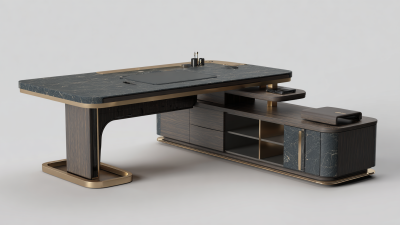
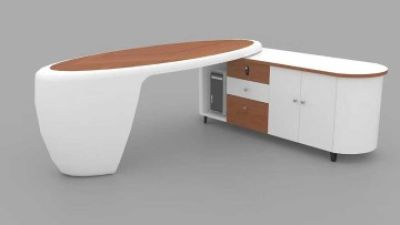
Investing in a sleek high gloss lacquer office desk can significantly enhance your workspace, marrying functionality with aesthetic appeal. The smooth and shiny surface of lacquer not only elevates the visual charm of your office but also provides excellent durability, making it a favored choice among modern professionals. The ability of these desks to withstand daily wear and tear while maintaining their pristine appearance is a testament to their quality. The standardized frame and desktop design also ensure that these pieces seamlessly integrate into a variety of office layouts.
Moreover, choosing lacquer furniture contributes to a healthier work environment. Many lacquer desks are produced using environmentally friendly materials, ensuring that they are free from harmful pollutants. This commitment to health and safety enhances the overall workplace experience. Additionally, with options for customization and fast shipping, you can create a workspace that reflects your style and meets your practical needs. Investing in a high-quality lacquer office desk not only boosts the aesthetic of your office but also optimizes your space for greater comfort and productivity, fostering an environment that encourages creativity and efficiency.
: Ergonomic office chairs are designed to promote proper posture and support natural spinal alignment, helping to reduce discomfort and fatigue associated with prolonged sitting.
Research indicates that employees using ergonomic chairs report a 20% increase in productivity and a significant reduction in fatigue-related issues, allowing them to focus better on tasks.
Prolonged use of non-ergonomic chairs can lead to discomfort, back pain, and fatigue, affecting overall well-being and workplace productivity.
Yes, while the initial investment may be higher, ergonomic chairs can lead to long-term financial savings by reducing workplace injuries, turnover rates, and healthcare costs.
Ergonomically designed chairs encourage better posture and promote overall wellness, resulting in fewer sick days and a healthier work environment.
Reducing musculoskeletal disorders leads to fewer medical claims and workers' compensation costs, enhancing organizational efficiency and lowering expenses related to employee replacements and training.
Comfortable and supportive seating helps employees feel physically supported, which can lead to increased engagement and productivity within the workplace.
The design of An Office Chair can have a direct impact on energy levels; ergonomic chairs can reduce discomfort, leading to higher energy and better focus during work hours.
Organizations can invest in ergonomic seating solutions to promote comfort, reduce fatigue, and create a more engaged and productive workforce.
The article "Top 10 Benefits of Using an Ergonomic Office Chair for Your Health and Comfort" highlights the significant advantages of incorporating ergonomic seating solutions in the workplace. Ergonomic office chairs are designed to reduce the risk of musculoskeletal disorders by promoting proper posture and spine health, ultimately enhancing comfort and productivity. By minimizing fatigue and improving energy levels, these chairs contribute to a higher performance at work.
In addition to physical benefits, ergonomic office chairs also support mental well-being by reducing stress and discomfort associated with prolonged sitting. Investing in ergonomic chairs not only fosters employee health but can also lead to long-term financial savings for organizations through reduced health-related absences and increased productivity. Overall, the adoption of ergonomic office chairs stands out as a crucial step towards improving workplace health and comfort.